Future Steps: Bringing Awareness on Disability and Disability Accommodations in Acute Care
Location: Northwestern Memorial Hospital in Chicago, IL
Areas of Focus: Program Development/Evaluation and Research
Content Expert Mentor: Lindsay Ardiff, PT, DPT
Site Coordinator: Colleen Hogan, OTD, OTR/L (Occupational Therapy Education Coordinator)
Dates: April 6, 2026 to July 10, 2026
Purpose Statement
To improve patient experience and outcomes by bringing awareness through implementation interventions (education) for healthcare staff focused on disability accommodations available at NM and other resources related to etiquette, communication, and documentation on EHR. I hope that my projects help increase accessibility, communication barriers, and overall patient experience. I want to continue increasing inclusion in the acute care settings at Northwestern Memorial Hospital where disability, culture, language, health literacy, and equitable care are taken into consideration.
Summary of Capstone Project
Mentioned in Rotoli et al, 2023, “People with disabilities experience barriers to care in all facets of healthcare, from engaging with the provider (attitudinal and communication barrier) to navigating a large institution in a complex health care environment (organizational and environmental barriers).” Many times, patients feel the need to proceed with healthcare interactions without the necessary accommodations (such as language, hearing, or visual accommodations), leading to increased medical errors and decreased health outcomes (2023). Environment, program quality, and care are important to improve patient outcomes and patient participation; it is important for institutions and providers to continue implementing best practices and solutions. Within my time here at Northwestern Memorial Hospital (NMH) I focused on program development and evaluation and research through a needs assessment report, learning skills on quality improvement to improve patient outcomes, implement quality improvement interventions, and participating in conducting patient interviews through an IRB approved qualitative research study.
From my needs assessment, connection and communication with unit leaders and other department stakeholders, my learned skills in program development, and participation in qualitative research, I hope to continue the efforts in improving patient quality care and building upon NM’s mission to put patients first. Steps to do this include learning new quality improvement models, creating an implementation plan for future steps, educating nursing and rehabilitation staff via presentations and educational material, and having the opportunity to create educational slides that will be presented during Professional Development Days (PDDs) for new incoming nursing staff.
Learning Objective 1: Needs Assessment
Enhance skills of needs assessments specific to patients in acute care settings to enhance program development and evaluations.
- Interviews with stakeholders to discuss experiences and gain feedback to identify important need assessment components
- Review of EPIC Disability Accommodations usage
- There is no current data at NMH in regard to Disability Accommodation Domain
- The office of Health Equity has placed a ticket to start receiving data focused on domain usage and types of accommodations being asked by patients in the outpatient setting.
Needs Assessment and Literature Review
I had the opportunity to complete a post survey focused on the two units that received intervention materials last year. Below are some slides on the results. They are also presented differently with my Learning Objective 3 deliverable.
Learning Objective #2: Develop Skills in quality improvement to improve patient outcomes through team collaboration and mentorship.
Attend Interdisciplinary Meetings Focused on Patient Care and Outcomes
Throughout this capstone experience, I asked my content expert mentor and education coordinator for examples of team collaboration focused on quality improvement. Immediately, they brought about different observation opportunities. Throughout my time at NM, I joined and observed different NM champion Network meetings. These meetings demonstrating interdisciplinary collaboration, collaboration between different units and departments for specific efforts.
- Disability Chapter Monthly Meeting (April 16th, 2026)
- Focused on mentorship opportunities in the community such as with CPS Schools, Go Baby Go, and volunteer opportunities
- An NM colleague spoke on: “The Canary has found their voice, autistic identity and invisible disability”
- Patient Safety Grand Rounds (NMH Patient Safety Program)- April 30th, 2026
- “Work place violence: NM Philosophy”
- Big implementation project focused on decreasing work place violence that involved multiple departments working together: Director of Workforce Health and Safety, VP Chief Wellness Executive, Psychiatry Department, and Security Department
- Created trainings for staff focused on safety awareness in the Hospital Setting
- Posted banners throughout NM focused on behavior and safety.
- “Work place violence: NM Philosophy”
- NM Medical Ethics Grand Rounds
- “When Helping is Hard: The Ethics of Caring in Challenging Patient Encounters” (May 7, 2026)
- Emphasis on reflecting as health care providers: “easy” does not mean low need, “difficult” situations often signal unmet needs, bias can alter care, perceived safety is not always actual safety, equity requires intention
- Medical Ethics Committee Meeting (May 12, 2026)
- Updates on ethical projects happening at NM and how ethics is involved in several implementation projects (ethics is important to take into consideration in all projects) as well as case study examples
- e.g. Patient Care Policy: Medical Ethics Consultations
- Updates on ethical projects happening at NM and how ethics is involved in several implementation projects (ethics is important to take into consideration in all projects) as well as case study examples
- “When Helping is Hard: The Ethics of Caring in Challenging Patient Encounters” (May 7, 2026)
- FAM Champion Meeting (May 6, 2026)
- Meeting focused on quality improvement projects and topics that staff/units are asking for specific to training, education, fall prevention, safe mobility, and more. Unit nurse managers, education coordinators, care coordinators, and others get together in person
- This specific meeting focused on implementation of AM-PAC on 3 units as an assessment for nurses to implement in their workflow focused on increasing patients mobility and safety during admission and in preparation for safe discharge planning. Unit nurse management shared how they motivate and ensure safe/appropriate implementation while keeping in mind the unit culture change occurring and ensuring all staff understand the purpose of the implementation change.
- OT and PT shared on safe mobility, gait belt use, and fall prevention
- Meeting focused on quality improvement projects and topics that staff/units are asking for specific to training, education, fall prevention, safe mobility, and more. Unit nurse managers, education coordinators, care coordinators, and others get together in person
DMAIC Process Training
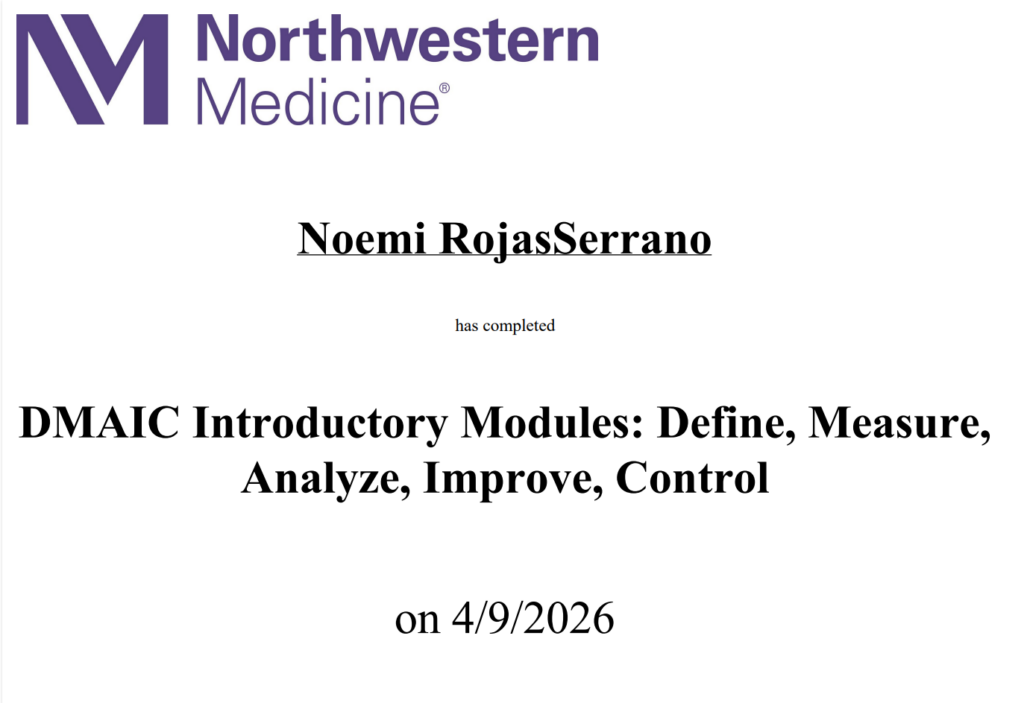
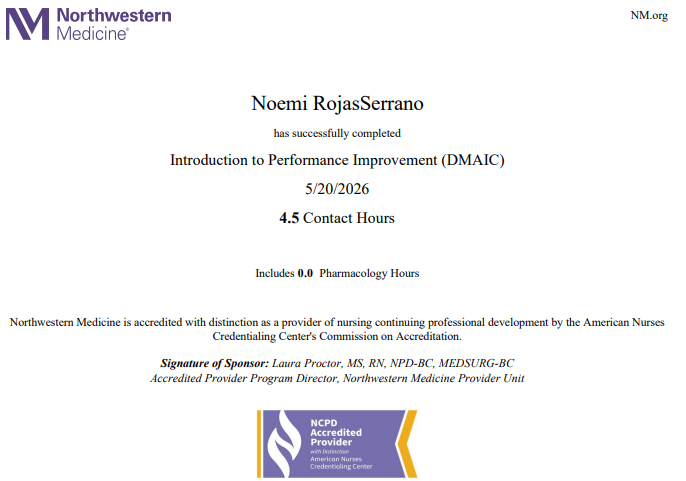
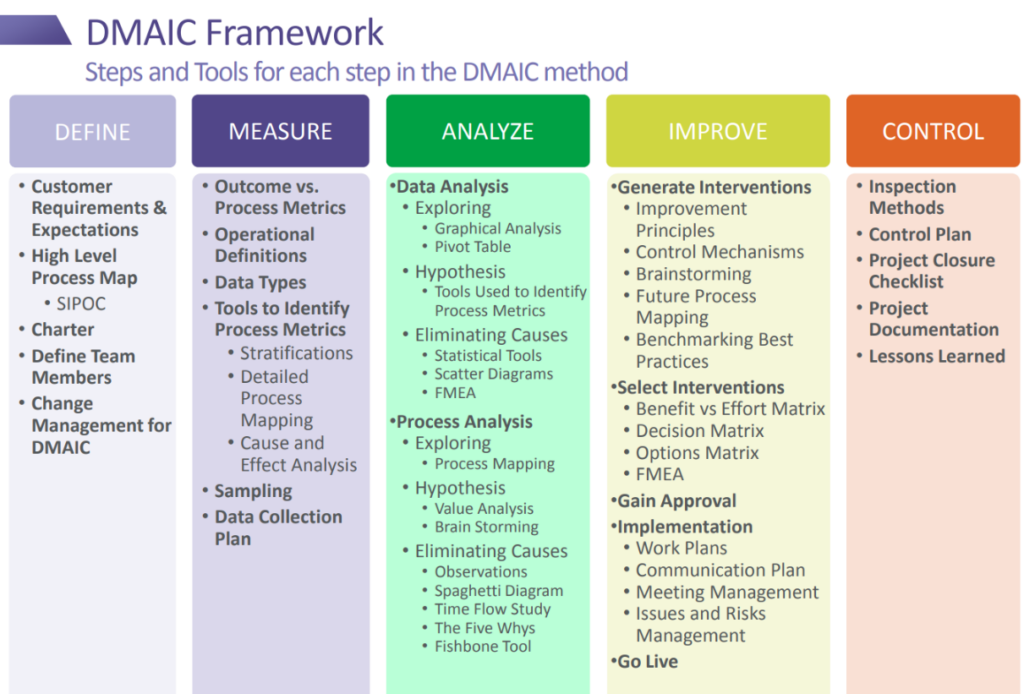
My content expert mentor and OT education coordinator recommended to learn DMAIC: Define, Measure, Analyze, Improve, Control, as a model for quality improvement projects. It is the main model used at NMH. For this, I completed an Introductory Module followed by 4.5 hours of virtual learning where experts reviewed each step of DMAIC thoroughly and provided several resources. This approach is data driven, focused on identifying the root cause of a problem and implementing solutions.
Deliverable: Hypothetical Future Implementation Intervention using DMAIC
For this learning objective, I decided to create a hypothetical implementation intervention using DMAIC. With this, I followed the DMAIC steps with the resources that NM provided to guide different steps. Below are the documents:
- Improvement Project Proposal form
- Project Charter
- Process mapping
- DMAIC Plan
Reflection:
Improvement projects are a long process and involve a lot of support from leadership and different departments. For this hypothetical intervention, I decided to focus on an EPIC build that is integrated into the nurse’s workflow for patient admissions. This build ensures that upon admission, nurses ask about disability status and accommodations. Doing this will involve budget support, different departments, piloting the intervention on a couple floors to ensure we receive feedback and make adjustments before implementing it throughout all of the inpatient units, and more. This intervention is still a draft that would benefit from team work to ensure it highlights the importance and outcomes/visions. It has been a good experience learning about the DMAIC process and integrating what I have learned in my OTD classes at WashU.
Learning Objective #3: Gain experience implementing a quality improvement intervention assessing outcomes of the project
Through collaboration with general medicine unit leadership, I developed and presented disability accommodation educational slides during monthly nursing quality meetings. These unit quality meetings focus on quality project updates, unit changes, best practices, unit reminders, and more! The educational slides focused on EPIC documentation, disability accommodations available, and resources available to healthcare staff.
I refined materials from the previous capstone project and shared them with general medicine units (for nurses and MD staff) and patient relations.
One of my stakeholders, Mimi, presented to me the possibility to create educational slides for Professional Development Days for RN residents as part of their transition into practice at NMH.
I created and reviewed slides with Mary Kidney, focusing on ADA, effective communication, and available accommodations. Together with Mimi, Lindsay, and Mary, we presented this proposal to the Professional Development Coordinator, Kelly, with plans to begin implementation on July 23, 2026. These slides are available under Recent Posts: Professional Development Day Educational Slide Pitch for New Nurses
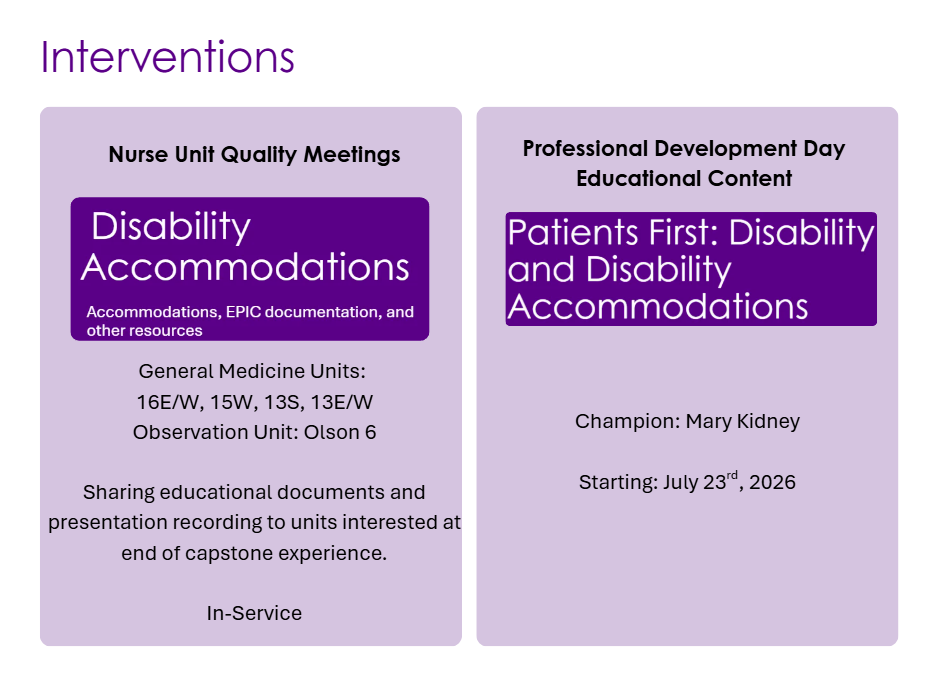
UPDATED EDUCATION MATERIALS: updates were done based off feedback and EPIC documentation changes that occurred within the last year to ensure all information was up to date for staff.
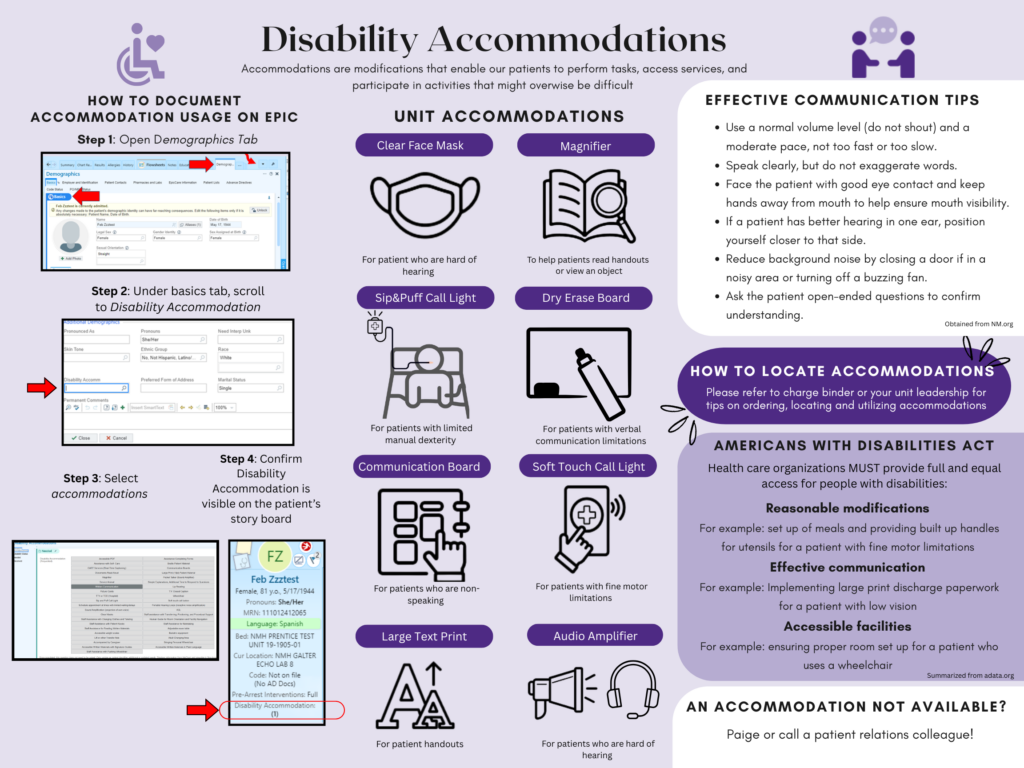
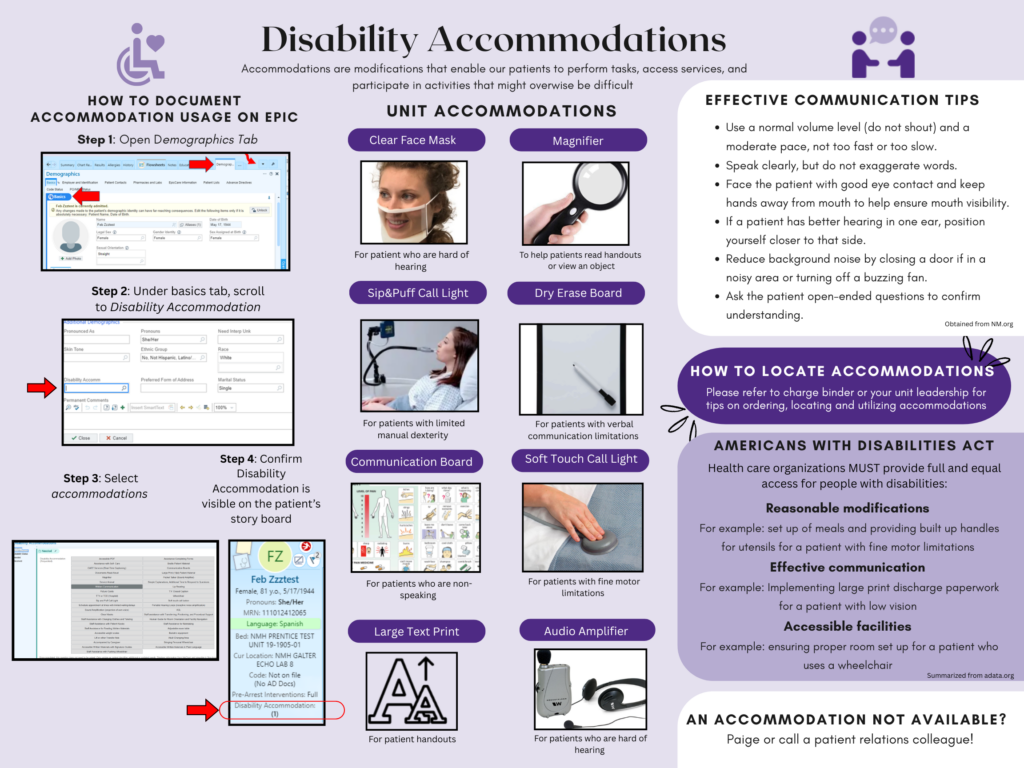
Quality Meeting Slides: Two versions were made to accommodate the time and learning needs of each unit. Both presentations focused on EPIC documentation and provided the educational resources available to staff.
As my final intervention deliverable, I presented my needs assessments, objectives, and education materials to the rehabilitation department where I invited a guest speaker to present on ADA and importance in documentation. This presentation slides can be seen under Recent Posts: June 15th In-Service: Bringing Awareness on Disability and Disability Accommodations in Acute Care
Reflection:
It was a great opportunity to be able to meet different nursing units and staff and present on disability and disability accommodations. Most presentations were 5-10 minutes long, depending on the availability of each unit. It was important to be aware that nurses have patient first priority and that each quality meetings also involved other important updates focused on quality care. One of my favorite presentations were the longer versions where I got to talk about ADA, examples of how accommodations are helpful, and effective communication. I enjoyed doing the PDD educational slides and created a script to assist future presenters. I also recorded the slide deck to provide an example to the Professional Development Coordinator and confirm that the educational slides will only add 10 additional minutes to the Professional Development Days. I hope that it does get implemented into the sessions starting July 23rd as discussed.
Everyone I spoke with and presented to were very intentional in their work and interested in bringing about new opportunities for increased disability and accommodation awareness. I learned to get out of my bubble and gained communication skills while engaging with other professionals. Throughout each intervention component and dissemination, I received constructive feedback that I will carry over throughout my career. It was great to look back to courses completed throughout OT School and integrate it throughout my educational slides. I do feel that I could have done a better job of giving my OT elevator speech to the nurses I spoke with to bring more OT awareness throughout.
Learning Objective #4: Gain experience as part of the study team for an IRB-approved qualitative research study
My site mentor, Linday Ardiff, and her team, Megan and Paula, have been working on completing an IRB qualitative research study: “Lived Experiences of Patients with Disabilities: Intersections of care, Support, and the Hospital Environment”
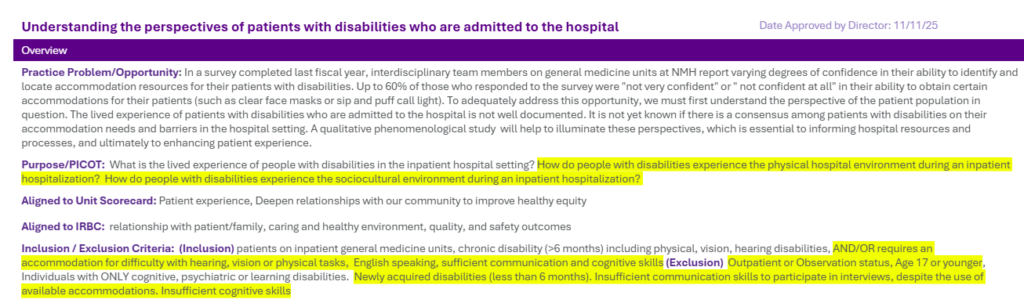
At first, my outcome objective was to conduct the interviews and data analysis of the study, however, due to several learned factors contributing to IRB approval and approval to access EMR as recruitment in a hospital setting, I as unable to engage in those specific objectives. However, I did partake in several important components of the qualitative study which I can carryover for future opportunities to take part in other studies or start one of my own with the ideal team. These past 14 weeks I have participated in the following:
- Team meetings
- Contribute to research protocol and revise IRB for approval process
- Complete CITI training
- Revise interview Script
- Familiarize research protocol (recruitment, purposive sampling, eligibility screening, data collection preparation)
- Create Standard Operating Procedures (SOP) to ensure all team members understand and follow appropriate steps for protection of study.
- Recruitment and Scheduling
- Interview Procedures
- Interview Data Analysis
- Informed Consent
- Data Security and Storage
- Data Cleaning Transcripts
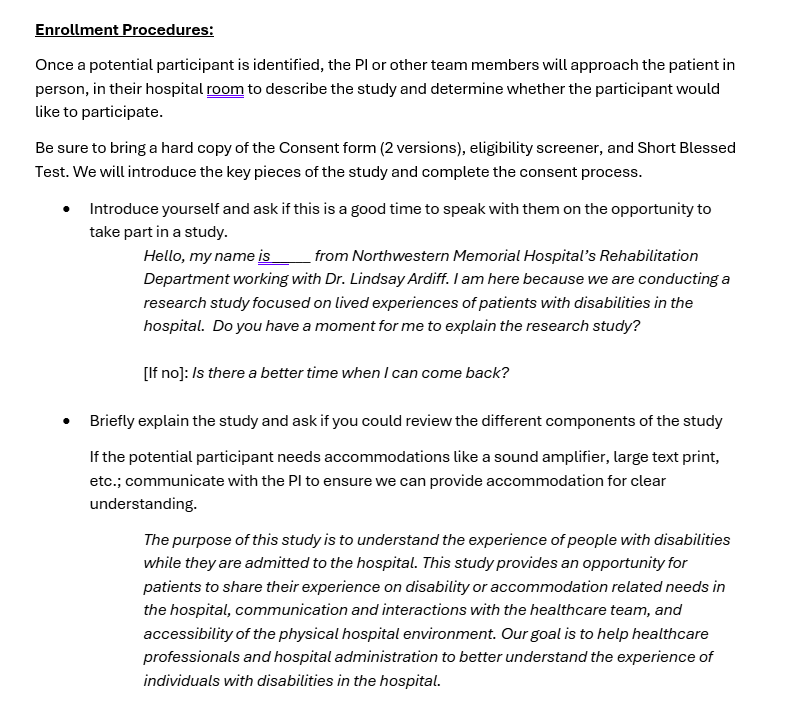
- Orient pre-med student to project: SOP, role playing procedures, recruitments, interview, transcription cleaning process, and administering cognitive assessment (Short-Blessed Test for Eligibility)
- Create eligibility screening form
- Literature search familiarization to understand study problem
- Participated in a Coding Bootcamp focused on qualitative data analysis
- Provided PI and project team with qualitative related resources and connections with other researchers (Dr. Jessica Kersey, PhD, OTR/L and Dr. Carol Haywood, PhD)
- Participate in supporting grant application- big learning opportunity for me!
On June 11th, the IRB was approved!
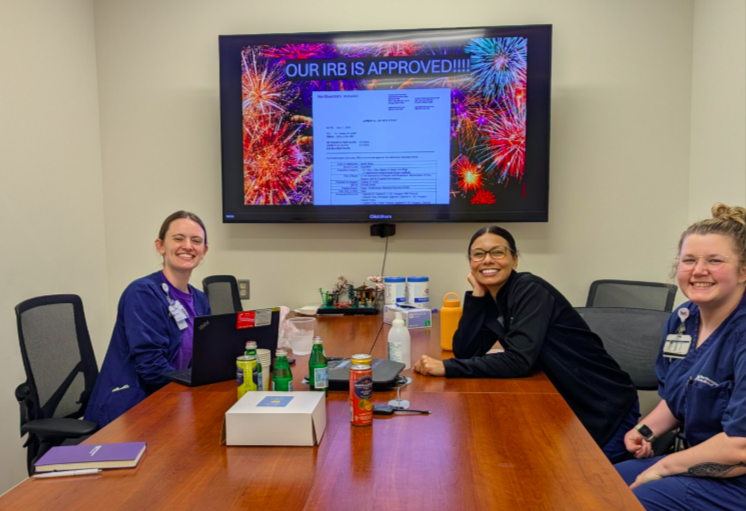
June 23rd, the LEAD team presented their end of year presentation and received certificates for completing 1 out of the 2 years in completing the project!
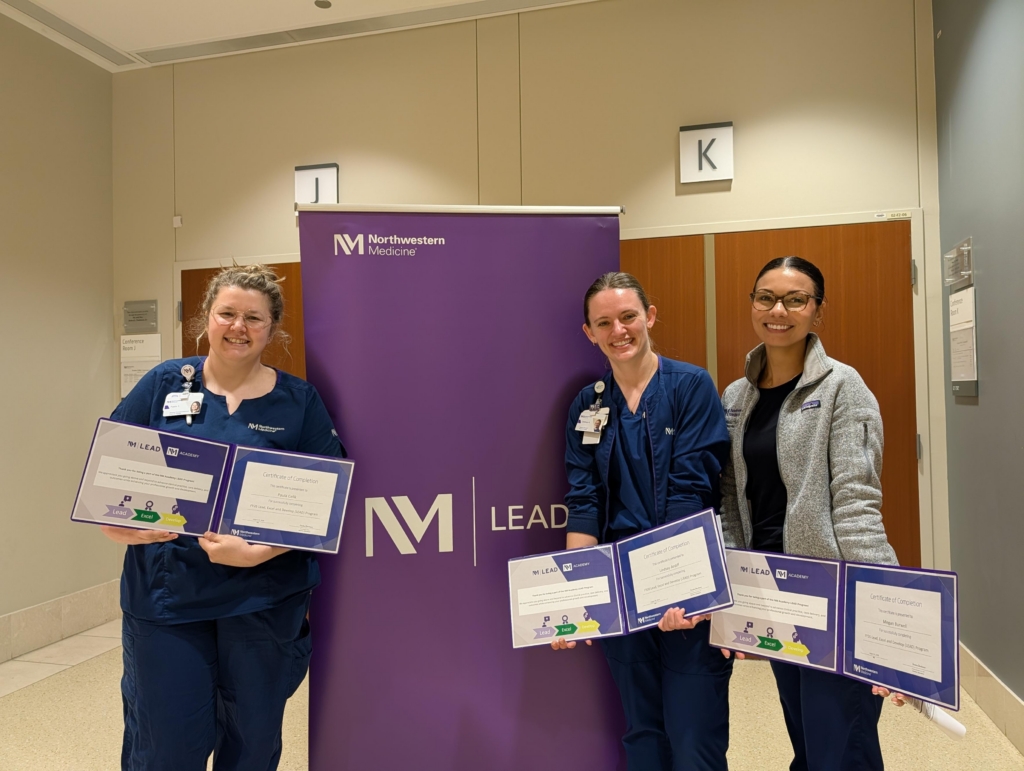
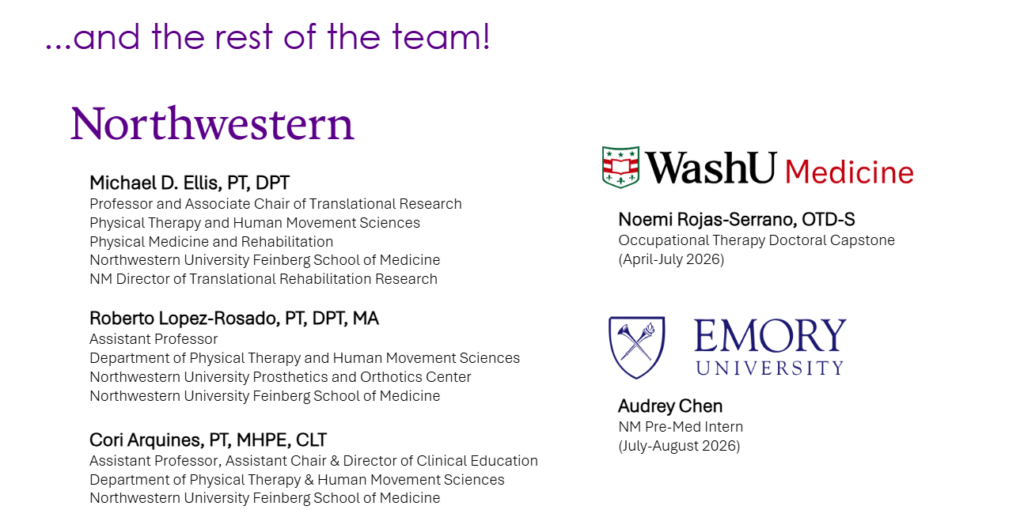
As of 7/8/26 the team is still waiting for MyChart Recruitment and EDW exception approval, the final step to initiate recruitment and gathering data. I hope that it gets approved soon to allow the pre-med student the opportunity to engage with patients, gather valuable information, and skills that will put her ahead of the game in her career path.
Below are some screen shots of the SOPs, eligibility form, and other documents I created throughout my 14 weeks contributing to this research study project.

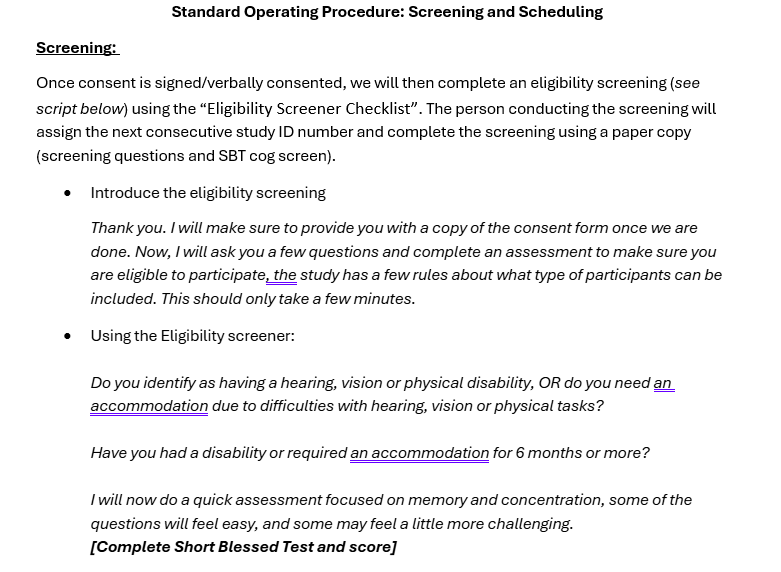
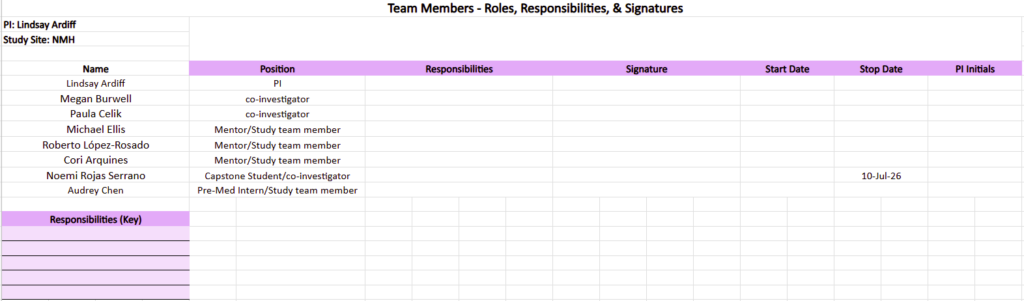
Reflection:
The work that my mentor, Lindsay, and her team are doing is great! There is very little data focused on the patient experience. This project aims to gain experience of patients as it is happening versus recruiting patients who have already been discharged or have been hospitalized in the past. I feel that this allows for more intentional and real time experiences that will lead the interdisciplinary team to have a better understanding and hopefully guide improvement projects focused on equitable care for all patients.
It is important for us as healthcare workers to understand that at times, we are in the zone to complete our work assignments throughout the day and move away from our some of our roles as health care providers. For example, we might focus on providing discharge paperwork but not take the time to pause and ensure our patients understand and that we have answered all questions for improved outcomes in the beyond discharge. I like how this study thinks about that and beyond. When speaking with patients through this study, if we notice an opportunity where the participant has an accommodation needs that the hospital offers- we will encourage them to speak with their healthcare team vs us informing the nurses or doctors (to comply with IRB and confidentiality of information). i feel like this is another way to continue bringing awareness in the hospital setting beside the project work I have been doing during these 14 weeks.
I really enjoyed orienting the pre-med student, Audrey, to the project. She is a great individual and will b a great doctor if she decides that as her career path. It felt rewarding to show her some skills, educate her on OT and PT role, how to interact with patients, communication skills, interview skills, and different components of qualitative work. It is her first time doing a qualitative research study and I felt that I had really great resources to share with her and to the rest of the project team. Maybe I will be open to teaching down my career path once I feel like I have built my career to a point where I can educate future OTs (or other departments).
Capstone Final Project Report
Dissemination
Evidence of Public Dissemination
- I completed my dissemination of my project on June 15th as I continued working on my learning objectives throughout the rest of the capstone experience. Below is the video recording. The PPT Slides can be found under the recent post section titled: June 15th In-Service: Bringing Awareness on Disability and Disability Accommodations in Acute Care
Impact Summary video for future Students